Clinical Specialties & Services

Evidence-Based Paediatrics & Specialized Paediatric Nephrology

From routine infant wellness, immunization, and growth monitoring to advanced management of nephrotic syndrome, childhood hypertension, and kidney disorders. Led by UK-trained Consultant Paediatrician & Paediatric Nephrologist Dr. Pratima Verma.

Popular Topics:
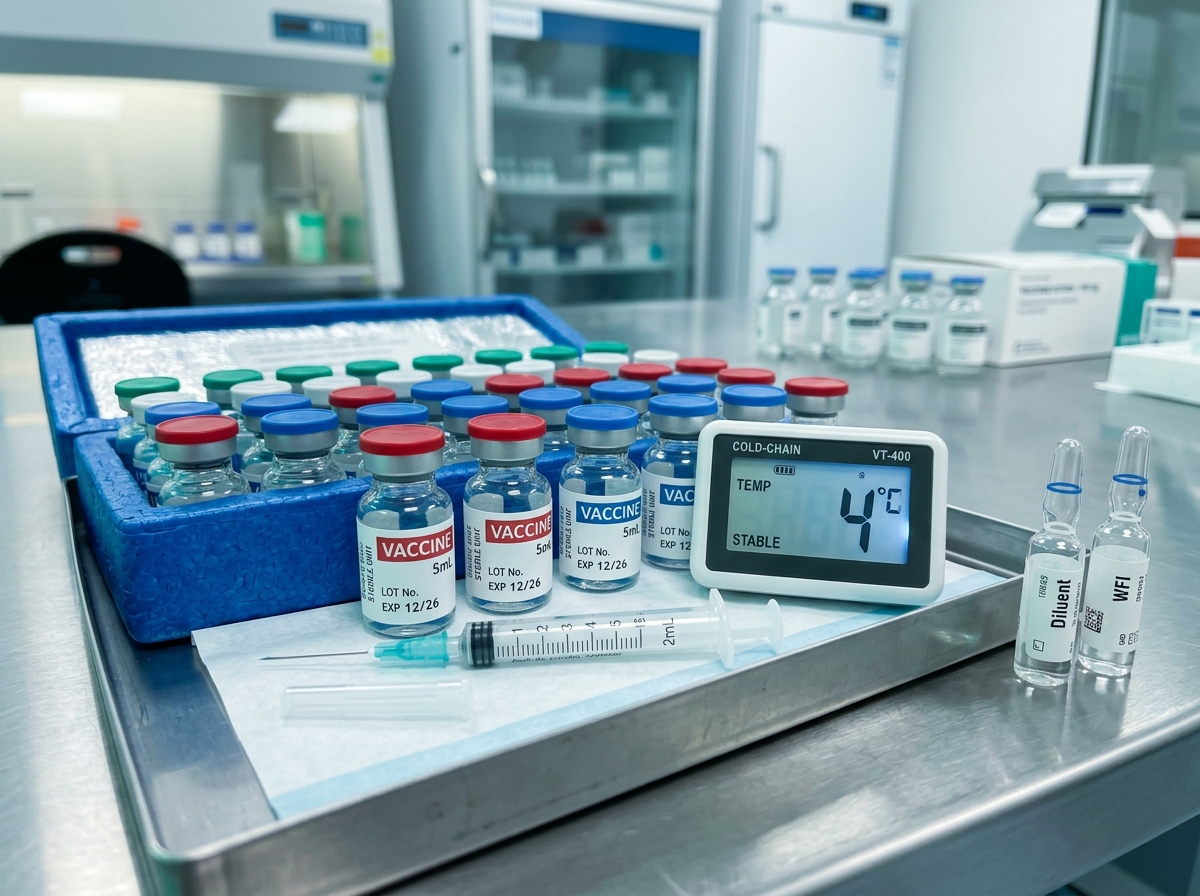
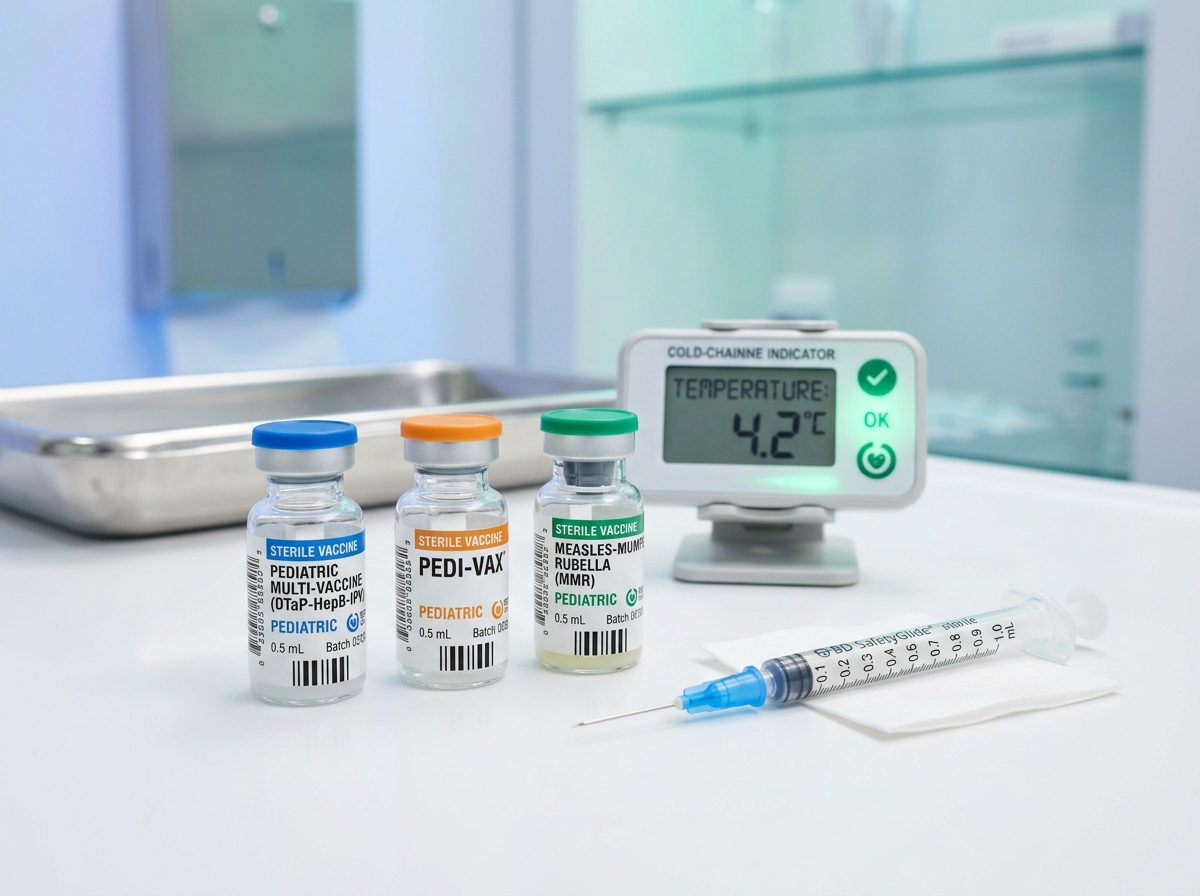
Pediatric vaccine vials and digital temperature monitoring
IAP & WHO Schedules
General Paediatrics

Vaccination / Immunization Services

Complete protective immunization for infants, toddlers, children, and teenagers.

Vaccines are administered following strict Indian Academy of Pediatrics (IAP) and WHO recommendations. All vaccines are maintained under certified cold-chain monitoring (2°C to 8°C) to ensure 100% biological potency and safety.

Birth to adolescent vaccination schedule (BCG, Hepatitis B, DTwP/DTaP, Polio, Hib, Rotavirus, PCV, MMR, Varicella, Hepatitis A, Typhoid, HPV)
Catch-up vaccination plans for delayed, missed, or overseas-administered doses
Painless and minimal-discomfort injection techniques with nurse distraction support
Secure digital vaccination records and automated dose reminder alerts

Comprehensive Medical Protocol & Services Included:

  • 1Birth to adolescent vaccination schedule (BCG, Hepatitis B, DTwP/DTaP, Polio, Hib, Rotavirus, PCV, MMR, Varicella, Hepatitis A, Typhoid, HPV)
  • 2Catch-up vaccination plans for delayed, missed, or overseas-administered doses
  • 3Painless and minimal-discomfort injection techniques with nurse distraction support
  • 4Secure digital vaccination records and automated dose reminder alerts
Physician's Clinical Note:

"Every vaccination visit includes a comprehensive pre-vaccine health check to confirm your child is well and eligible for immunization."

Dr. Pratima VermaMRCPCH (UK)
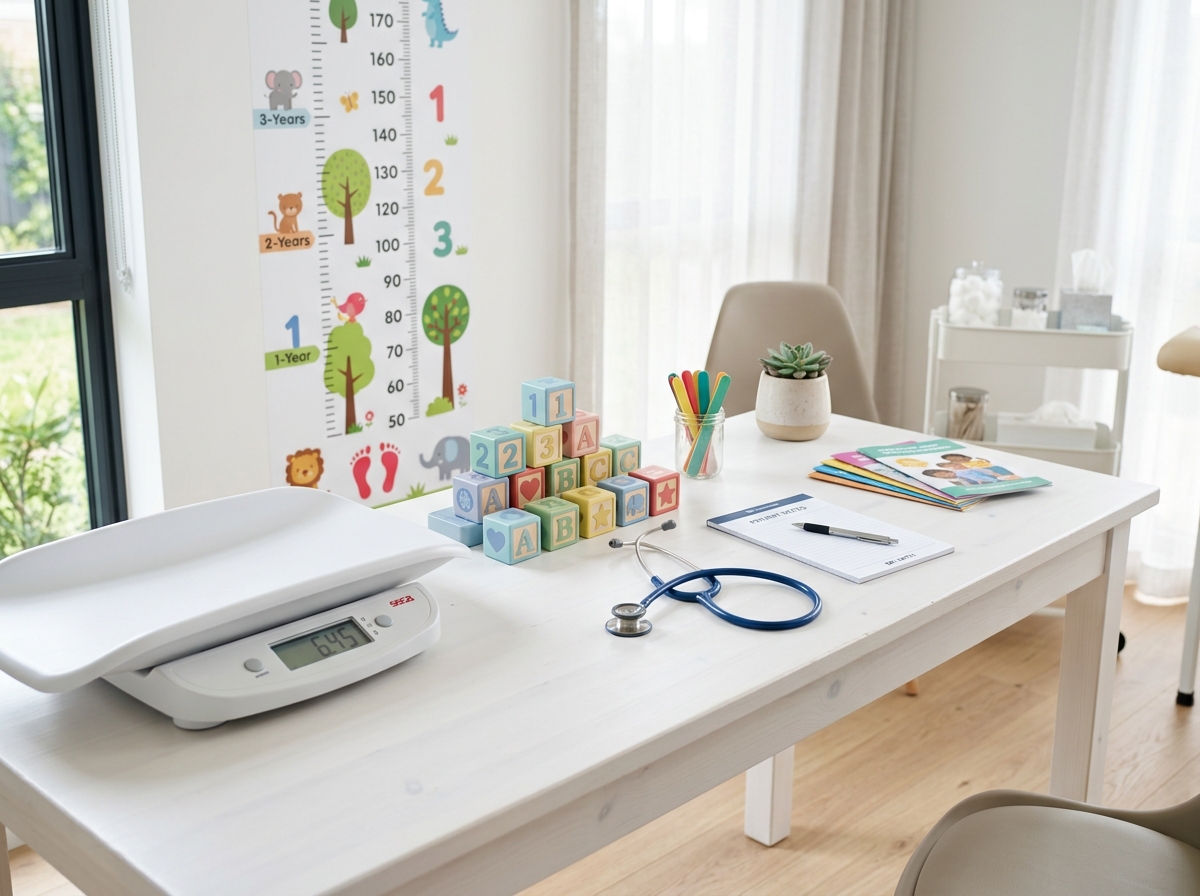
Pediatric growth measurement ruler and developmental milestone wooden blocks
Milestone Tracking
General Paediatrics

Growth & Development Evaluation / Management

Precision physical growth and neurodevelopmental milestone surveillance.

Physical growth (weight, height, head circumference) and developmental milestones (gross motor, fine motor, speech, language, and social skills) are plotted using standardized WHO growth charts to identify growth faltering or delays as early as possible.

WHO percentile tracking for weight, height, and head circumference
Identification and medical workup for Faltering Growth / Failure to Thrive
Standardized developmental screening for speech, motor, and cognitive milestones
Early referral coordination for speech therapy, occupational therapy, and child psychology
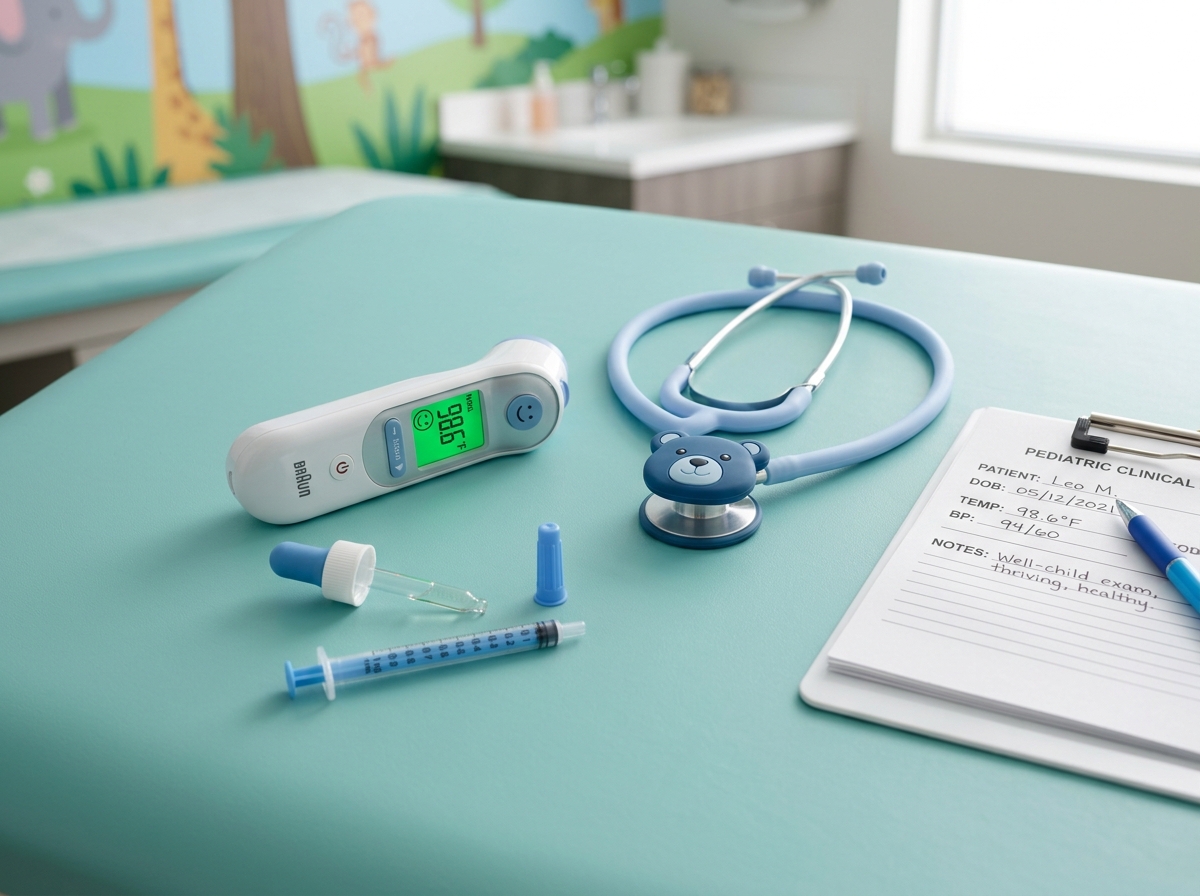
Child-friendly stethoscope, digital thermometer, and medicine dropper
Antibiotic Stewardship
General Paediatrics

Childhood Infections & Acute Illness

Rapid diagnosis and judicious medical treatment for seasonal and acute childhood illnesses.

Children experience frequent viral infections as their immune systems mature. Our clinic practices strict antibiotic stewardship — distinguishing self-limiting viral fevers from bacterial infections requiring targeted therapy.

Acute high fever evaluation, seasonal viral infections, dengue, and flu monitoring
Respiratory illnesses: wheezing, bronchitis, croup, pneumonia, and childhood asthma management
Throat and ear infections: tonsillitis, pharyngitis, and acute otitis media
Gastrointestinal illnesses: acute gastroenteritis, vomiting, dehydration, and oral rehydration therapy
Healthy fresh fruits, baby feeding bowl, wooden spoon, and bottle
Nutritional Health
General Paediatrics

Infant & Child Nutrition

Evidence-based feeding strategies, weaning transitions, and deficiency management.

Proper nutrition directly influences immune resilience, brain development, and linear height. We provide parents with practical, culturally realistic feeding guidance for every transitional phase of infancy and childhood.

Exclusive breastfeeding support, latching advice, and lactation guidance
Structured complementary feeding and weaning schedules from 6 months onward
Management of picky/fussy eating, food refusal, and mealtime behavioral battles
Diagnosis and correction of micro-nutrient deficiencies (Iron Deficiency Anemia, Vitamin D3, Calcium)
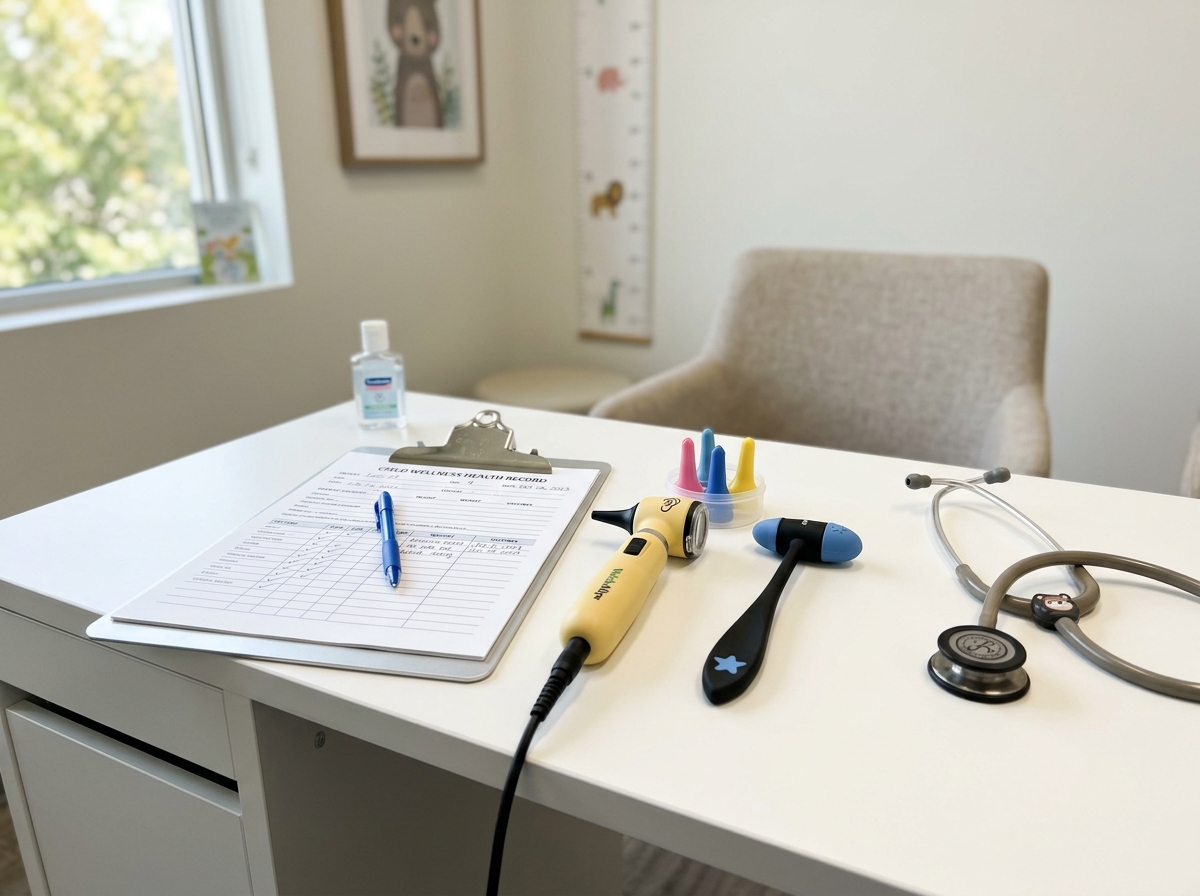
Child wellness health record, pediatric otoscope, reflex hammer, and stethoscope on clinic desk
Foundational Wellness
General Paediatrics

Paediatrics & Preventive Child Health

Comprehensive routine check-ups and preventative healthcare from birth through 18 years.

Every child benefits from consistent, structured medical surveillance. Our general paediatric consultations focus on baseline physical health, preventive guidance, and early detection of childhood conditions before they become complicated.

Routine well-child physical evaluations & vitals monitoring
Vision, hearing, and postural alignment screening
School entrance and sports fitness certifications
Adolescent health evaluations and puberty guidance
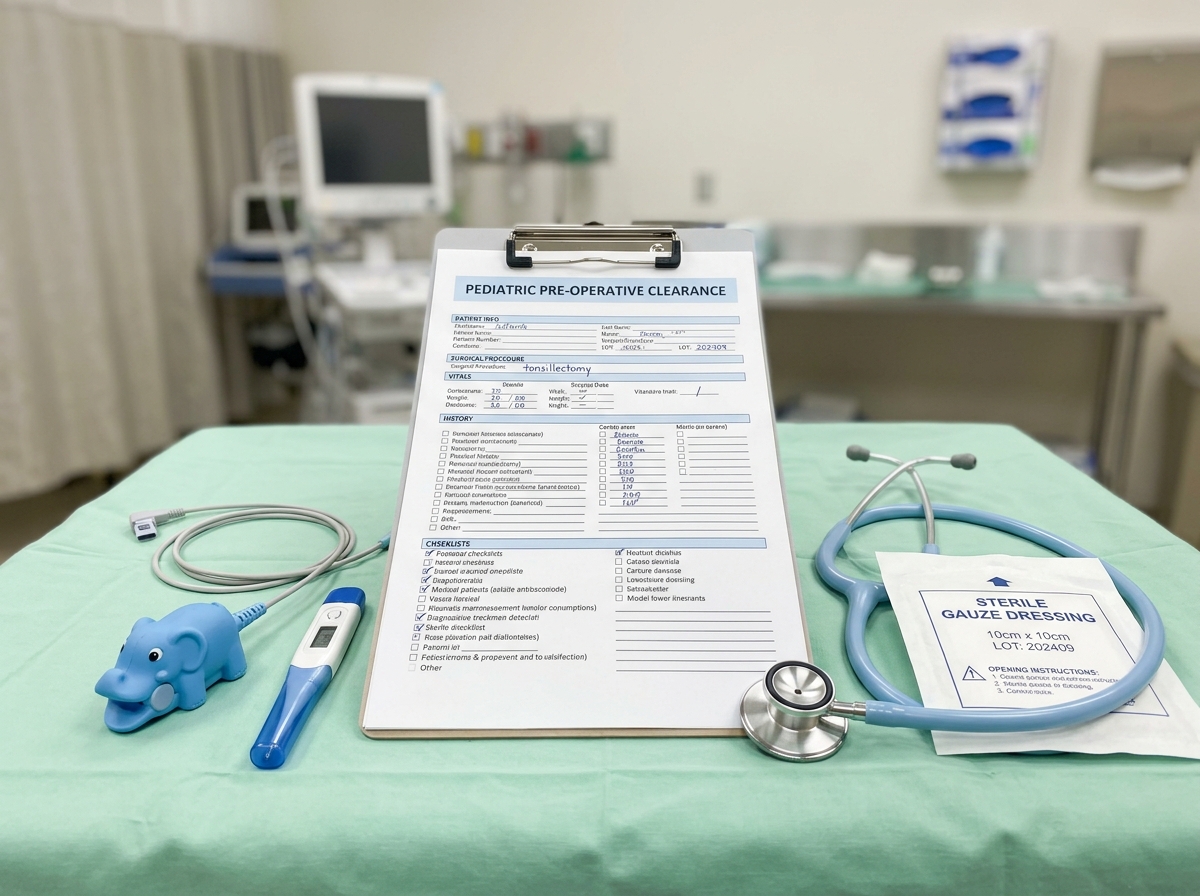
Pediatric pre-operative clearance checklist, pulse oximeter, and sterile dressing on clinical prep table
Surgical Medical Management
General Paediatrics

Pediatric Surgery — Pre-Op Clearance & Recovery

Pre-operative fitness assessment and coordinated post-surgical recovery care.

When a child requires elective or emergent surgery, thorough medical preparation is essential. We provide formal pre-anesthetic pediatric fitness evaluations and manage post-operative recovery, pain protocols, and wound surveillance in partnership with operating pediatric surgeons.

Comprehensive pre-operative medical clearance and risk assessment
Optimization of chronic conditions (asthma, heart murmurs, allergies) prior to anesthesia
Post-operative medical follow-up: wound recovery, hydration balance, and infection surveillance
Shared care for congenital surgical conditions: inguinal hernia, hydrocele, undescended testes, circumcision, and surgical urology anomalies
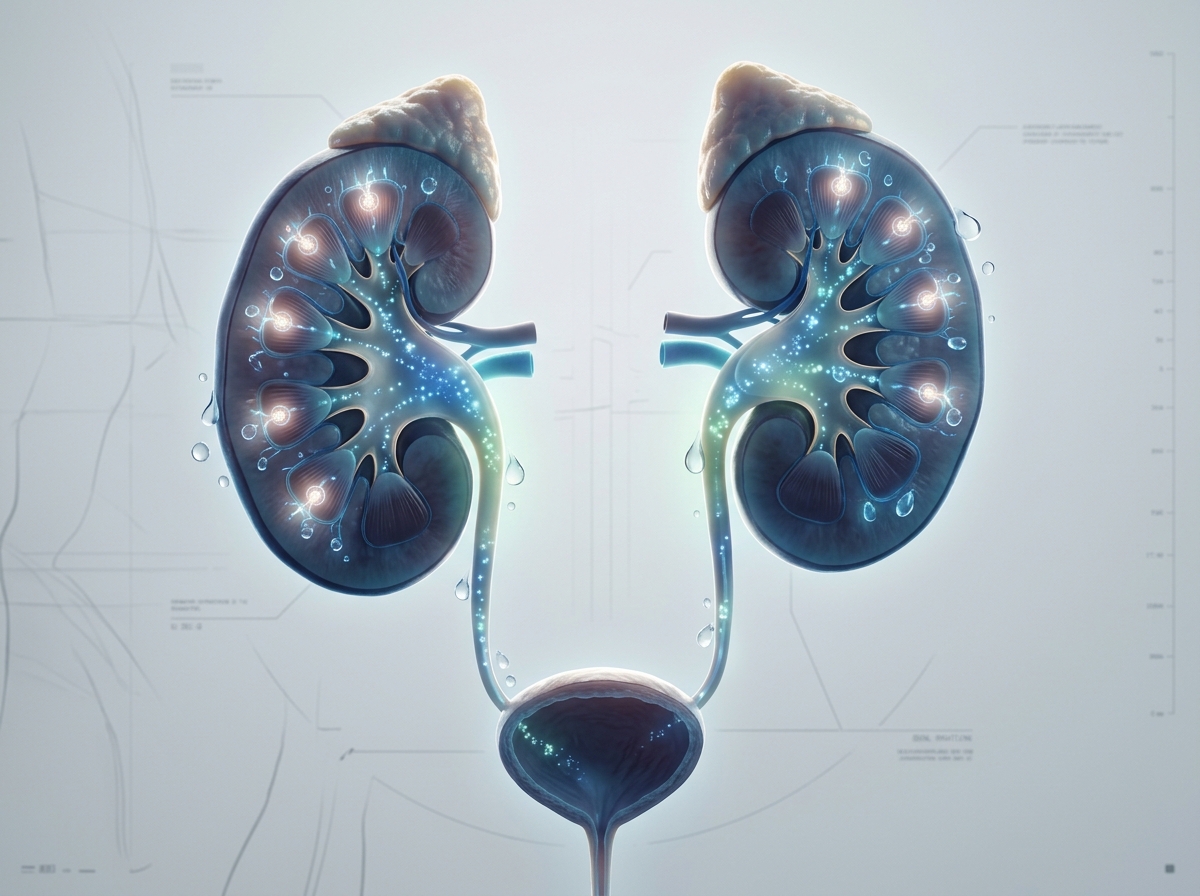
Scientific 3D medical visualization of healthy human kidneys and urinary system
Protocol-Driven Care
Paediatric Nephrology Specialist

Nephrotic Syndrome Treatment & Nephrotic / Nephritic Syndrome

Comprehensive medical management for childhood proteinuria, periorbital swelling, and glomerulonephritis.

Nephrotic syndrome causes the kidney filters (glomeruli) to leak large amounts of protein into the urine, resulting in facial puffiness, abdominal distension, and low blood albumin. We manage first episodes, frequent relapses, steroid dependency, and acute nephritic presentations (such as post-streptococcal glomerulonephritis).

First-episode standard steroid induction regimens and structured tapering protocols
Urine dipstick home monitoring training and relapse identification for parents
Medical management of Frequently Relapsing (FRNS) and Steroid-Dependent Nephrotic Syndrome (SDNS)
Second-line steroid-sparing immunosuppressive therapy and monitoring
Calm pediatric bedtime setting with nightstand clock, pure water carafe, and bladder habit tracker
Bladder Health Clinic
Paediatric Nephrology Specialist

Enuresis, Bedwetting & Frequent Urination Issues

Compassionate, non-judgmental treatment for daytime wetting, nighttime bedwetting, and urgency.

Bedwetting (nocturnal enuresis) is a medical condition, never a behavioral failing or laziness. In children aged 5 and older, wetting beds or experiencing daytime frequency and urgency causes immense emotional distress. We provide structured, scientifically proven urotherapy.

Comprehensive assessment differentiating monosymptomatic nocturnal enuresis from daytime bladder dysfunction
Bladder diary analysis, fluid timing schedules, and treatment of underlying chronic constipation
Bedwetting enuresis alarm conditioning programs (highest long-term cure rate)
Targeted medical therapy: Desmopressin (oral lyophilisate) and anticholinergic medications when indicated
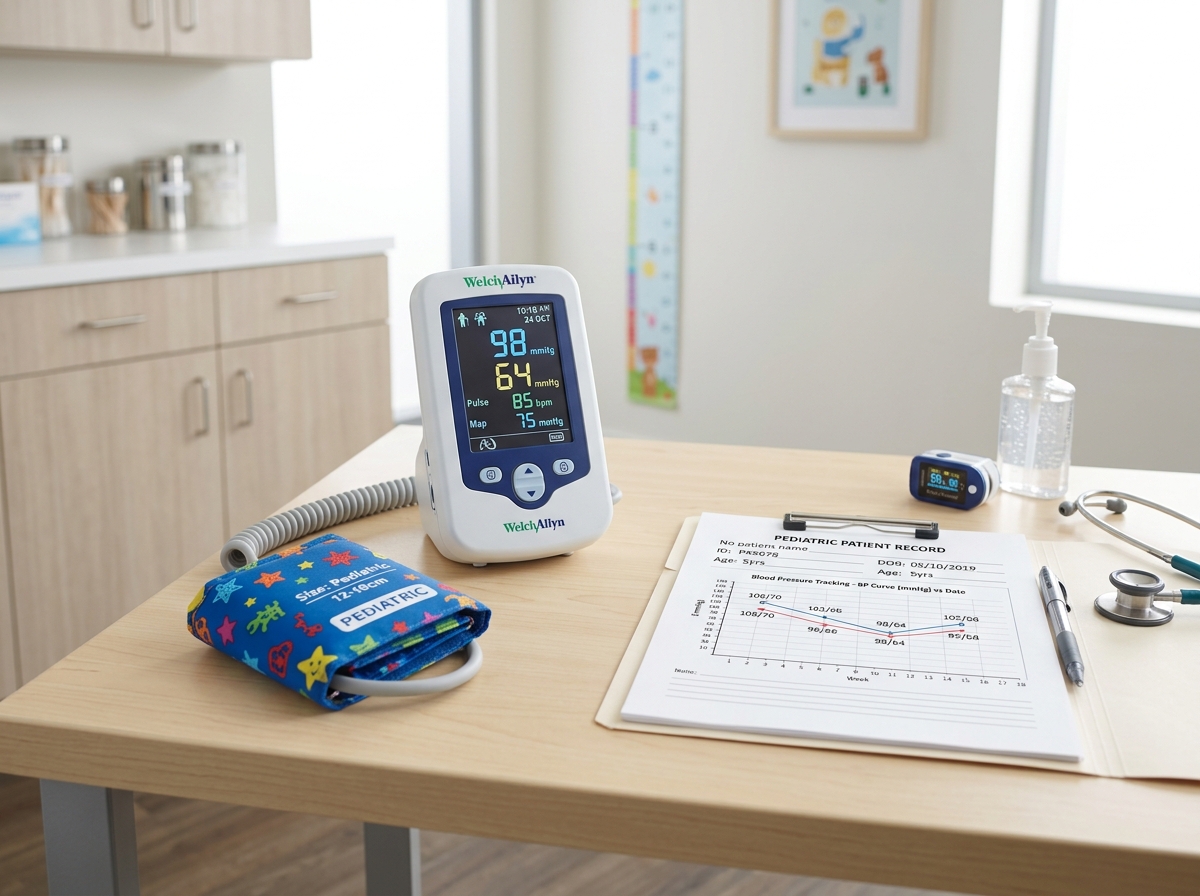
Digital pediatric blood pressure monitor with colorful pediatric cuff and clinical BP chart
Pediatric Blood Pressure
Paediatric Nephrology Specialist

Evaluation and Treatment of Childhood Hypertension

Systematic screening, secondary cause workup, and treatment of high blood pressure in children.

Unlike adults where hypertension is predominantly essential, high blood pressure in children is frequently secondary to an underlying renal parenchymal condition, renal vascular defect, or endocrine disorder. We perform rigorous diagnostic workups to identify the root cause.

Blood pressure interpretation using age-, sex-, and height-percentile charts
Diagnostic workup for secondary causes (renal artery stenosis, coarctation of aorta, reflux nephropathy)
Ambulatory Blood Pressure Monitoring (ABPM) assessment and lifestyle/dietary guidance
Targeted antihypertensive medication titration tailored to pediatric physiology
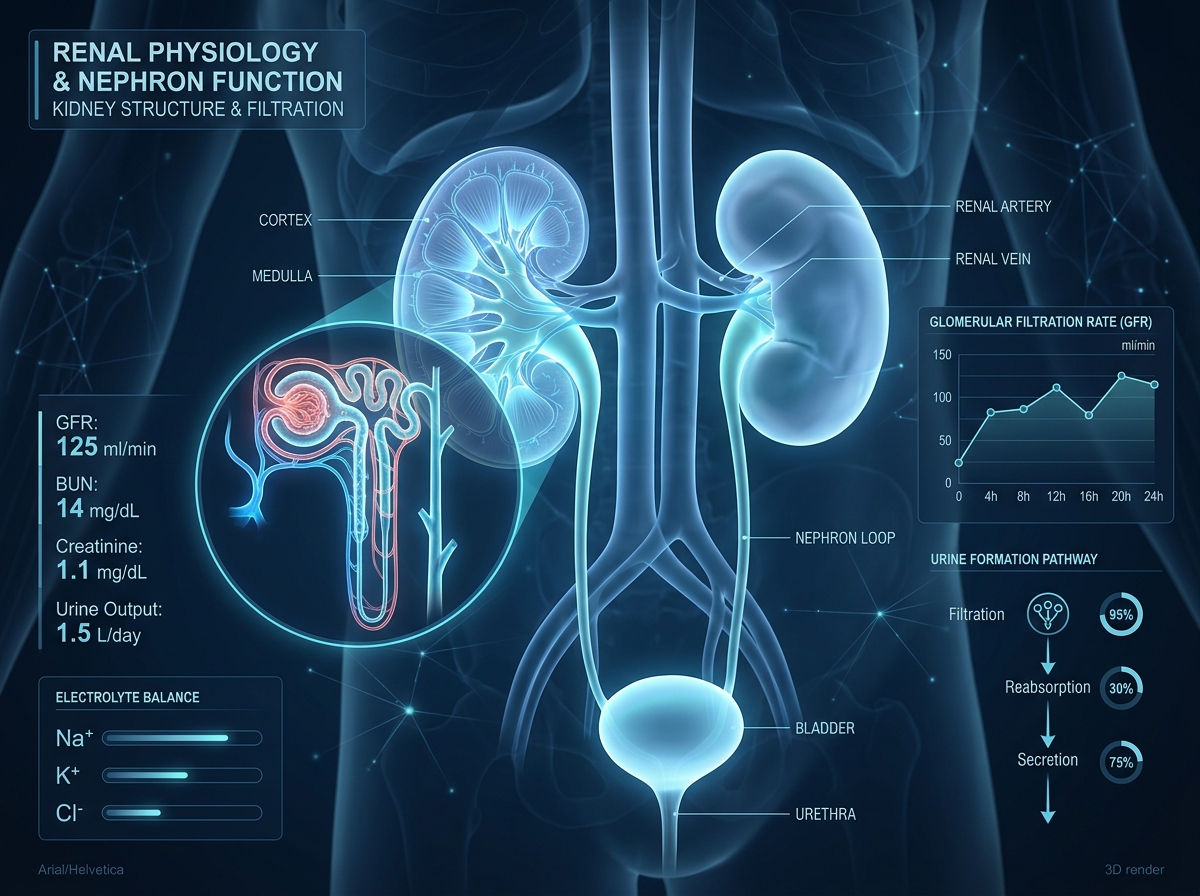
Anatomical kidney model and microscopic nephron filtration visualization
Sub-Specialty Leadership
Paediatric Nephrology Specialist

Paediatric Nephrologist Consultations

Specialized diagnostic care for kidney, electrolyte, and urinary tract disorders in children.

Dr. Pratima Verma holds dual expertise as a Consultant Paediatrician and Paediatric Nephrologist with clinical fellowship training at West Midlands and Birmingham Children's Hospital (UK). She evaluates infants, children, and teens with complex or unexplained renal problems.

Diagnostic workup for unexplained facial swelling (edema), dark/coca-cola colored urine, or foamy urine
Investigation of persistent microscopic or gross hematuria (blood in urine) and proteinuria (protein leakage)
Second opinions for congenital kidney abnormalities and abnormal renal ultrasound reports
Long-term disease monitoring using international kidney health guidelines
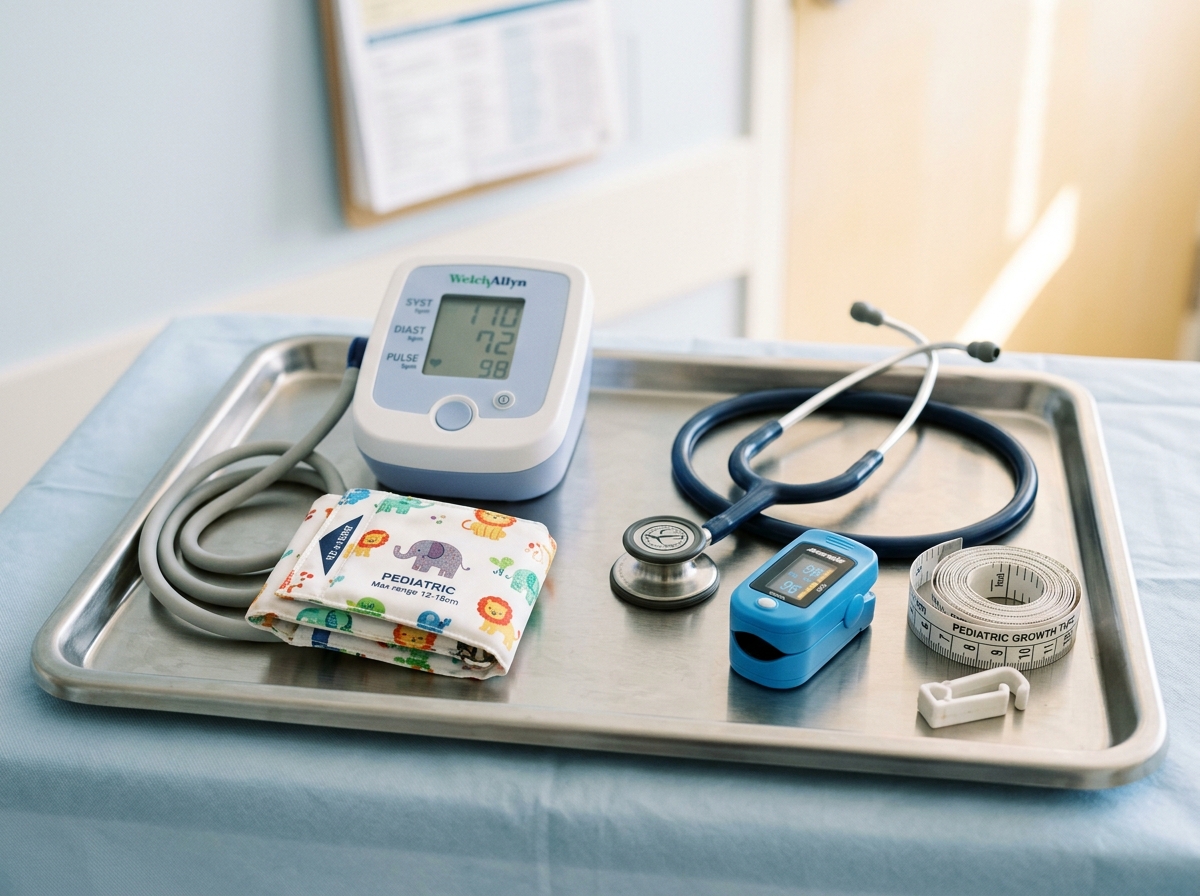
Pediatric diagnostic equipment, clinical examination tray, and metabolic diagnostic vitals
Metabolic Evaluation
Paediatric Nephrology Specialist

Kidney Stones & Medical Management (Nephrolithiasis)

Evaluation of acute stone episodes and 24-hour metabolic testing to prevent recurrence.

Kidney stones (nephrolithiasis) in children are rising due to dietary shifts and underlying metabolic predispositions. When a child passes a stone, surgical removal is only half the battle; discovering *why* the stone formed is vital to protect future kidney function.

Pain management and medical expulsive therapy for acute passing stones
Radiation-sparing high-resolution ultrasound imaging for stone localization
Comprehensive 24-hour urine metabolic evaluation: Hypercalciuria, Hyperoxaluria, Hypocitraturia, and Cystinuria
Customized fluid hydration regimens, dietary salt/oxalate counseling, and oral citrate alkalinization therapy
Sterile clinical diagnostic sampling equipment and laboratory temperature control
Renal Protection
Paediatric Nephrology Specialist

Recurrent Urinary Tract Infections (UTIs)

Preventing permanent kidney scarring through accurate diagnosis and anatomical imaging.

A urinary tract infection in an infant or toddler is not a simple cold; febrile UTIs (pyelonephritis) carry a significant risk of permanent renal cortical scarring if left uninvestigated. We distinguish true UTIs from contaminated samples and investigate underlying anatomical predispositions.

Sterile catheter/clean-catch urine culture confirmation to prevent misdiagnosis
Distinction between lower tract cystitis and upper tract acute pyelonephritis
Post-UTI renal tract imaging roadmap: KUB Ultrasound, Micturating Cystourethrogram (MCU/VCUG), and DMSA renal scans
Low-dose antibiotic prophylaxis protocols and bowel-bladder dysfunction correction
Detailed 3D anatomical visualization of the pediatric renal collecting system and urinary bladder
Antenatal & Postnatal Care
Paediatric Nephrology Specialist

Congenital Defects of the Urinary Tract (CAKUT)

Long-term monitoring of structural kidney and urinary anomalies from birth.

Congenital Anomalies of the Kidney and Urinary Tract (CAKUT) represent the leading cause of chronic kidney impairment in pediatric medicine. Many are initially flagged during pregnancy ultrasounds and require systematic postnatal evaluation.

Postnatal ultrasound follow-up of Antenatal Hydronephrosis (pelviureteric junction dilatation)
Medical grading and non-surgical surveillance of Vesicoureteral Reflux (VUR Grades I–V)
Long-term medical surveillance following surgical correction of Posterior Urethral Valves (PUV)
Monitoring single functioning kidneys, multicystic dysplastic kidney (MCDK), and duplex renal systems
Critical pediatric monitoring equipment, digital diagnostics, and acute fluid monitoring tools
Critical Renal Care
Paediatric Nephrology Specialist

Acute Kidney Injury (AKI)

Early recognition, fluid titration, and recovery monitoring for sudden renal impairment.

Acute Kidney Injury is an abrupt decline in kidney filtration caused by severe dehydration, systemic infection, nephrotoxic medications, or Hemolytic Uremic Syndrome (HUS). Prompt specialist intervention prevents acute insults from evolving into permanent kidney damage.

Rapid clinical identification of oliguria (reduced urine output) and elevated serum creatinine
Correction of severe fluid deficit, electrolyte derangements (hyperkalemia, acidosis), and fluid overload
Post-illness renal recovery follow-up to ensure baseline kidney filtration is fully restored
Medication safety reviews to avoid nephrotoxic drugs during acute pediatric infections
High-resolution anatomical kidney model representing chronic renal preservation and filtration
Long-Term Preservation
Paediatric Nephrology Specialist

Chronic Kidney Disease (CKD)

Multidisciplinary management to slow disease progression and safeguard linear growth.

Chronic Kidney Disease in children requires careful, long-term medical surveillance. Our priority is slowing functional decline, maintaining appropriate height velocity, optimizing cognitive development, and preventing cardiovascular complications.

Accurate GFR staging using pediatric-specific creatinine and cystatin C equations
Management of CKD Mineral and Bone Disorder (CKD-MBD): phosphate binders, active Vitamin D analogs
Treatment of anemia of CKD using recombinant human erythropoietin (EPO) and iron supplementation
Specialized pediatric renal dietary planning ensuring adequate caloric intake while restricting excessive sodium and potassium
Restful home care setting, fluid balance monitoring carafe, and habit tracking journal
Advanced Planning
Paediatric Nephrology Specialist

Assessment for Dialysis & Renal Replacement Therapy

Timely clinical counseling, modality selection, and preparation for pediatric end-stage renal disease.

When a child's kidney disease progresses toward end-stage renal failure, families need clear, compassionate, and scientifically sound guidance. We evaluate the clinical timing for renal replacement therapy and prepare children physically and emotionally.

Clinical assessment of uremic symptoms, fluid overload, and unmanageable electrolyte disturbances
Detailed comparison and education regarding Peritoneal Dialysis (PD) vs. Hemodialysis (HD)
Surgical coordination for peritoneal dialysis catheter insertion and vascular access planning
Preparation, screening, and workup for preemptive living-donor pediatric kidney transplantation
Clinical electrolyte diagnostic desk, growth surveillance charts, and pediatric medical examination tools
Electrolyte Medicine
Paediatric Nephrology Specialist

Renal Tubular Disorders

Precision diagnosis and management of rare tubular transport defects, RTA, and electrolyte wasting.

Renal tubules regulate the body's acid-base balance and critical electrolytes (potassium, sodium, calcium, magnesium). Defects in these tubules lead to severe growth failure, rickets, muscle weakness, and recurrent dehydration.

Diagnostic workup for Renal Tubular Acidosis (Distal RTA Type 1, Proximal RTA Type 2, and Type 4 RTA)
Clinical evaluation of rare salt-wasting tubulopathies: Bartter syndrome and Gitelman syndrome
Investigation of Nephrogenic Diabetes Insipidus (excessive urination, insatiable thirst, and hypernatremia)
Precision oral alkali therapy (sodium bicarbonate/citrate) and potassium supplementation to restore normal linear growth

Our Care Process

We've designed our clinic flow to be as stress-free as possible for both you and your child. Here is what you can expect during a typical visit.

01

Seamless Booking

Select an online slot or call our front desk for same-day emergency visits.

02

Child-Friendly Exam

A zero-pressure, gentle check-up designed to keep young patients calm and happy.

03

Clear Parent Consultation

Detailed explanation of the diagnosis and care plan without rushed medical jargon.

04

Digital Prescription & Follow-up

Digital health records and post-visit care instructions sent directly to your phone.

Parent Knowledge Base

Clinical Questions & Guidance

Clear, evidence-based answers to common questions about childhood kidney disorders, developmental milestones, bedwetting, and acute infections.

Have a question not listed here?

Every child’s situation is unique. Feel free to contact our clinic directly or book a full consultation for personalized care.

Call Clinic: 077023 45996 →

The classic early sign is unexplained morning puffiness around the eyes (periorbital edema), often mistaken initially for an allergy. As protein continues to leak into the urine, swelling may extend to the abdomen (ascites), legs, and scrotum. Nephrotic Syndrome is diagnosed via a simple urine dipstick showing 3+ or 4+ protein and blood tests confirming low albumin. Treatment begins with a standardized oral steroid regimen (prednisolone) alongside temporary dietary salt restriction. Over 85% of children respond within weeks, but relapse monitoring at home using urine dipsticks is essential.

Bedwetting (nocturnal enuresis) is considered clinically significant after age 5. While many children eventually gain nighttime bladder control, a specialist consultation is advised if bedwetting persists beyond age 5–6, if daytime urgency/dampness is present, if bedwetting suddenly reoccurs after months of dryness (secondary enuresis), or if accompanied by painful urination or constipation. We conduct a non-invasive bladder evaluation, assess fluid habits, and offer proven urotherapy, enuresis alarms, or medication (desmopressin) when indicated.

Most pediatric kidney stones can be managed conservatively with adequate hydration and medical expulsive therapy if they are small. However, children who form stones require a metabolic workup: a non-invasive 24-hour urine collection and blood electrolyte panel. We check for excess calcium (hypercalciuria), oxalate, cystine, or low citrate. Identifying the underlying chemical imbalance allows us to prescribe specific dietary adjustments, oral potassium citrate, or hydration schedules that prevent future stones from forming.

Unlike adults whose high blood pressure is often tied to lifestyle, childhood hypertension is frequently 'secondary' — meaning it is caused by an underlying renal problem (such as renal artery stenosis, kidney scarring from past UTIs, or polycystic kidney disease) or aortic coarctation. Routine blood pressure screening from age 3 helps detect elevated readings early. At Pravas Clinic, we interpret BP against pediatric percentile charts and conduct comprehensive diagnostic evaluations to treat the underlying source.

Recurrent UTIs in young children must always be investigated by a specialist. Febrile UTIs (infections reaching the kidneys, known as pyelonephritis) can leave permanent renal scars that cause hypertension or reduced kidney function later in life. We confirm every suspected UTI with a sterile urine culture, initiate appropriate targeted antibiotics, and perform renal ultrasound, and if indicated, an MCU (voiding cystourethrogram) to check for Vesicoureteral Reflux (VUR) or urinary blockages.

We plot weight, height, and head circumference on standardized WHO growth velocity charts. Faltering growth can result from caloric deficit, subtle feeding difficulties, malabsorption (celiac disease, food allergies), or silent chronic illnesses like Renal Tubular Acidosis (RTA) or recurrent urinary infections. We conduct focused, non-excessive laboratory testing, provide structured dietary enrichment plans, and evaluate neurodevelopmental milestones to ensure timely intervention.

Over 80% of common childhood fevers, coughs, and throat irritations are caused by viral pathogens where antibiotics are completely ineffective and can cause side effects like diarrhea and antibiotic resistance. We practice strict antibiotic stewardship: we examine the child thoroughly, explain the natural timeline of the viral illness, provide symptomatic relief, and reserve antibiotics strictly for confirmed bacterial infections such as acute bacterial otitis media, streptococcal pharyngitis, or bacterial pneumonia.

Yes. Before any pediatric elective or emergent surgical procedure (such as hernia repair, orchidopexy, circumcision, or ENT procedures), children require a formal medical fitness clearance. We review their medical history, assess airway and respiratory stability, examine heart sounds to rule out innocent vs. pathological murmurs, review blood counts, and coordinate directly with the pediatric surgical and anesthesia teams.

Need Expert Advice for Your Child's Health?

Schedule a check-up today or talk to our care team if you have any urgent concerns.